

The Future of Website Development in India ––
Trends Every Business Owner Should Watch
Introduction
India is witnessing a digital revolution. With over 800 million internet users and an economy that’s rapidly shifting online, your website is no longer just a business card—it’s the foundation of your entire brand. But as technology, customer expectations, and artificial intelligence (AI) evolve, so does the landscape of website development.
For Indian SMEs, startups, and growing enterprises, staying ahead of these shifts is not optional—it’s the difference between thriving and being left behind. Let’s explore the future trends in website development in India and why you, as a business owner, should keep a close watch.
1. Mobile-First and Beyond: Designing for a Smartphone Nation
India is now a mobile-first economy. Over 70% of website traffic comes from smartphones. That means:
* A desktop-friendly site is no longer enough.
* Websites must load fast, look good, and work flawlessly on all screen sizes.
What’s Next?
* Progressive Web Apps (PWAs): These combine the feel of an app with the accessibility of a website. Think of Flipkart Lite—fast, offline-capable, and engaging.
* Voice-Friendly Websites: With the rise of Google Assistant, Alexa, and regional-language voice searches, optimizing websites for voice search will become essential.
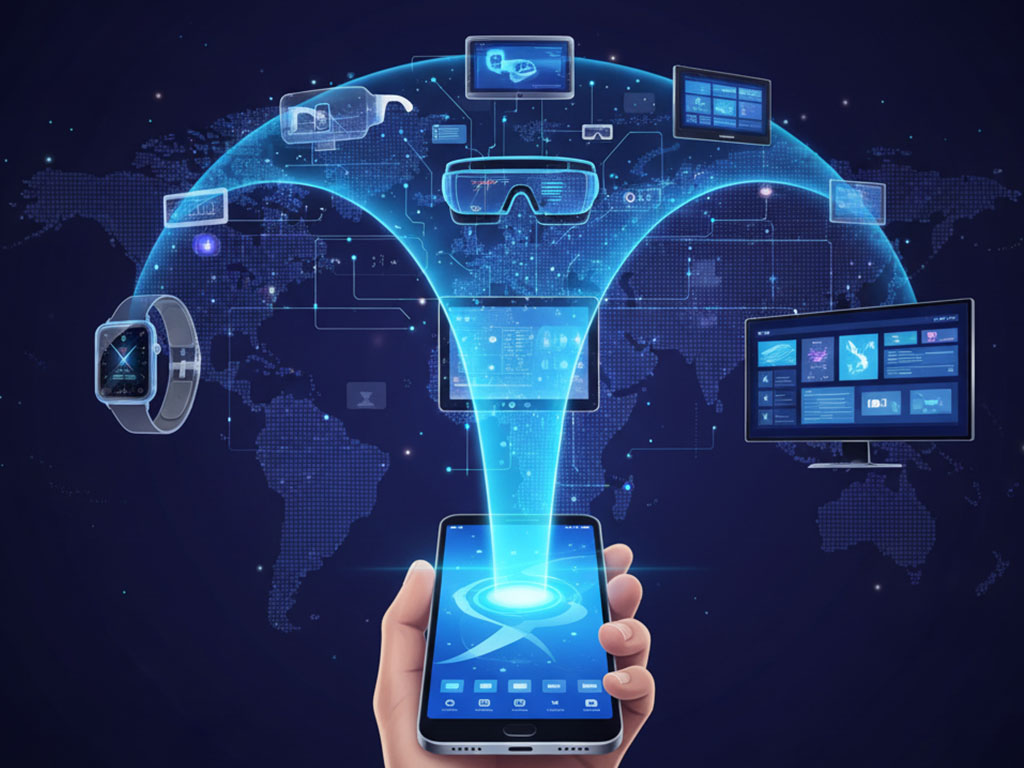
2. AI and Automation Will Reshape Websites
Artificial intelligence is no longer a buzzword—it’s already changing how websites are built and managed.
Trends to Watch:
* AI Chatbots: Smart chatbots can provide 24/7 support, answer FAQs, and even guide visitors to make purchases.
* Personalization Engines: Websites will adjust dynamically based on user behavior, showing different content to a repeat visitor than to a first-time user.
* AI-Powered Design: Tools like generative AI will speed up design and content creation, making websites smarter and more adaptive.
For SMEs in India, this means affordable automation is now within reach. You don’t need a big corporate budget to benefit from AI.
3. Speed and Performance: The Make-or-Break Factor
In India, where internet speeds vary, a slow website is a deal-breaker. Google research shows that if a page takes more than 3 seconds to load, over half of visitors leave.
Future Focus:
* Core Web Vitals: Google already uses these as ranking signals. Faster, smoother websites will continue to dominate.
* Lightweight Code + Smart Hosting: Developers will increasingly use optimized frameworks and cloud hosting solutions for maximum speed
* Edge Computing & CDNs: Tools like generative AI will speed up design and content creation, making websites smarter and more adaptive.
4. Security Will Be Non-Negotiable
Cybersecurity threats in India are on the rise, and business websites are prime targets. Customers trust brands that protect their data.
Security Trends:
* SSL Certificates: Already mandatory, but businesses must go further.
* Two-Factor Authentication & Encrypted Logins: Especially for e-commerce and SaaS websites.
* AI-Driven Threat Detection: Automated tools to spot unusual activity before it becomes a breach.
For business owners, this means investing in secure website development isn’t just good practice—it’s essential to avoid reputational and financial damage.
5. Local and Regional Adaptation
India is diverse, and so are its internet users. The future belongs to businesses that go local.
What This Looks Like:
* Regional Language Websites: Hindi, Tamil, Bengali, Marathi, Telugu—websites that speak to customers in their language build deeper trust.
* Geo-Targeting: Showing content, offers, and prices based on the user’s location.
* Cultural Relevance in Design: AUsing colors, themes, and references that resonate with Indian audiences.
For example, an EdTech platform targeting tier-2 cities can see huge adoption by simply offering courses in regional languages.
6. Integration with Marketing and Sales Tools
Websites are no longer stand-alone assets. They must integrate seamlessly with your marketing and business systems.
Key Integrations:
* CRM Systems (like Zoho, HubSpot): Track leads directly from your site.
* Email Marketing: Collect sign-ups and nurture them automatically.
* E-commerce & Payment Gateways: Fast, secure, and localized payment experiences (UPI, Paytm, PhonePe).
* Analytics & AI Insights:Business owners should expect dashboards that show not just traffic but also conversions, drop-offs, and ROI.
7. The Rise of No-Code and Low-Code Development
For SMEs with limited budgets, no-code platforms like Wix, Webflow, or WordPress with AI plugins are becoming powerful alternatives.
But here’s the catch:
* These tools are great for basic websites, but scaling businesses will still need custom development for security, performance, and integrations.
* The future will likely see hybrid models—where no-code speed is combined with professional customizations.
8. Sustainability and Green Hosting
Globally, eco-friendly technology is gaining traction, and India will follow. Businesses may soon ask: “Is my website eco-friendly?
Future Practices:
* Green Hosting Providers powered by renewable energy.
* Efficient Code & Optimized Images to reduce energy use.
* Minimalist Design Trends that align with sustainability goals.
9. The Human Element Won’t Disappear
Amid all the AI, automation, and trends, the human touch still matters. Business owners must remember:
* Customers want authenticity.
* Trust comes from stories, testimonials, and transparent content, not just fancy design.
* Websites must showcase your brand’s personality, not look like cookie-cutter templates.
Conclusion
The future of website development in India is exciting, fast-moving, and full of opportunities. Mobile-first design, AI-driven personalization, speed, security, local language adaptation, and integrations will shape how businesses connect with their customers.
For business owners, the message is clear: a website is no longer a static asset—it’s a living, breathing business engine.
At Heliosys Technologies, we stay ahead of these trends so your website is not just relevant today but future-ready.
Is your website ready for the future? Talk to our team today.